Can impact and financial returns reinforce each other?
Andy Moore explains how Talanton approaches financial returns and measurable impact through investments that support job creation in Sub-Saharan Africa.
by
Desiree Latu
published
August 17, 2026

Andy Moore explains how Talanton approaches financial returns and measurable impact through investments that support job creation in Sub-Saharan Africa.
by
Desiree Latu
published
August 17, 2026
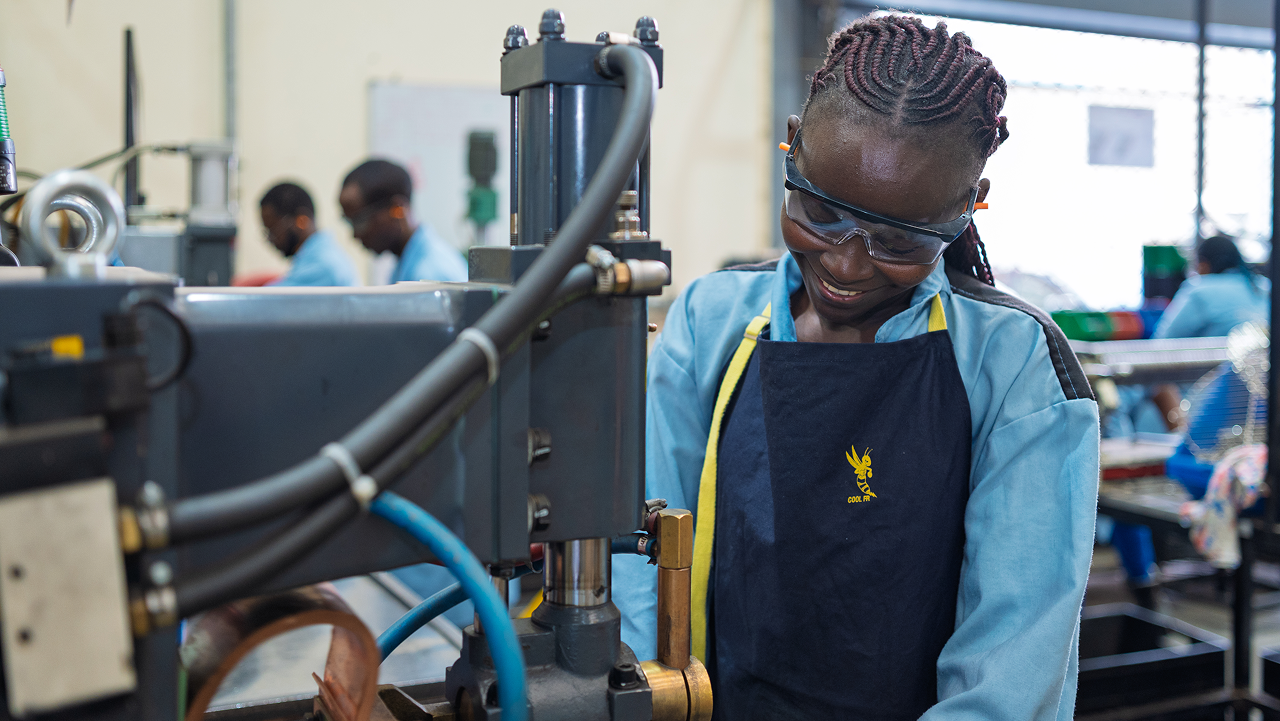
Over the next few weeks, we will share a series of short conversations with members of Talanton's board and investment team. Together, they will explore a central question: What is impact investing? They will also explain how Talanton evaluates opportunities and risk, measures impact, and directs capital to growing businesses that create good jobs across Sub-Saharan Africa.
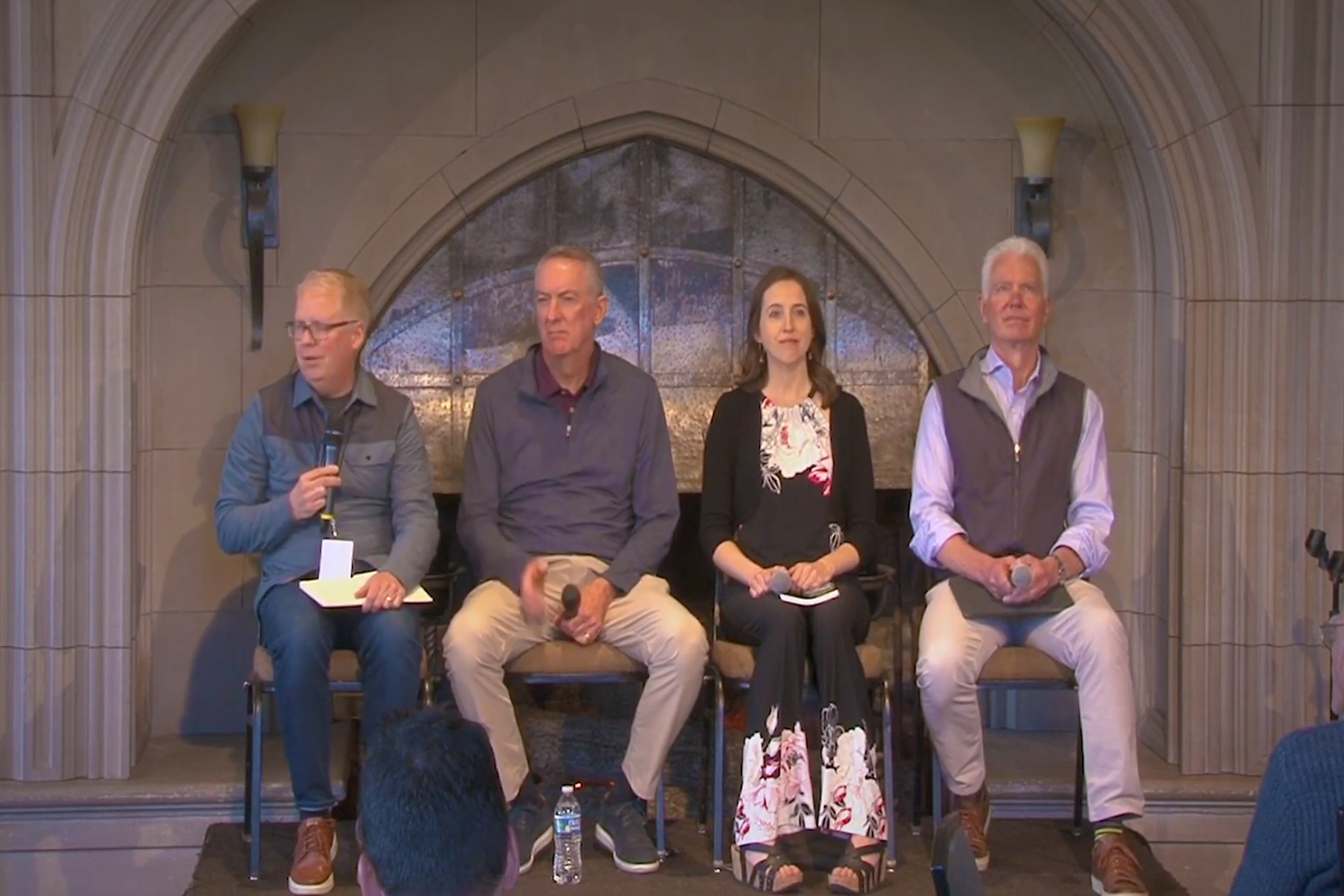
We begin with Talanton's CFO & Associate Partner Andy Moore, speaking at last year's Bringing Hope Celebration. Andy considers a question many investors ask: Must investors trade financial returns for impact?
We hope this series gives people who are new to Talanton, along with those exploring faith-driven investing for the first time, a clearer understanding of how faith and investment discipline can work together. These conversations will show how investment capital can support good jobs, help people lift themselves out of poverty, and create lasting economic opportunity for families and communities.
Andy Moore
At Talanton, we invest in values-aligned, growth-stage companies with significant job-creation potential in Sub-Saharan Africa. That is the impact we target and measure.
The question of how to balance financial returns with impact is, to some extent, the wrong question. It assumes that you have to give up something from one to gain something from the other. That trade-off paradigm has dominated financial thinking for most of the past 100 years.
But financial thinking has evolved. Now, the relationship between impact and financial returns is not one of trade-off, but one of mutual reinforcement. In other words, to have greater financial returns, you are going to need to make investments that have impact the world wants to celebrate.
Look at the generation of young consumers. They will not purchase products if they know there is an unethical supply chain or workers are being exploited. Look at governments. They are trying to find innovative ways to use the power of the market to solve social and environmental problems.
From Talanton's point of view, we want to invest in growing companies and grow their workforces. All of that adds up, I think, to doing pretty well for our investors.