Overcoming misconceptions that hinder prospecting
Laying the foundations for effective freelance prospecting
Create messages that stand out
The art of following up
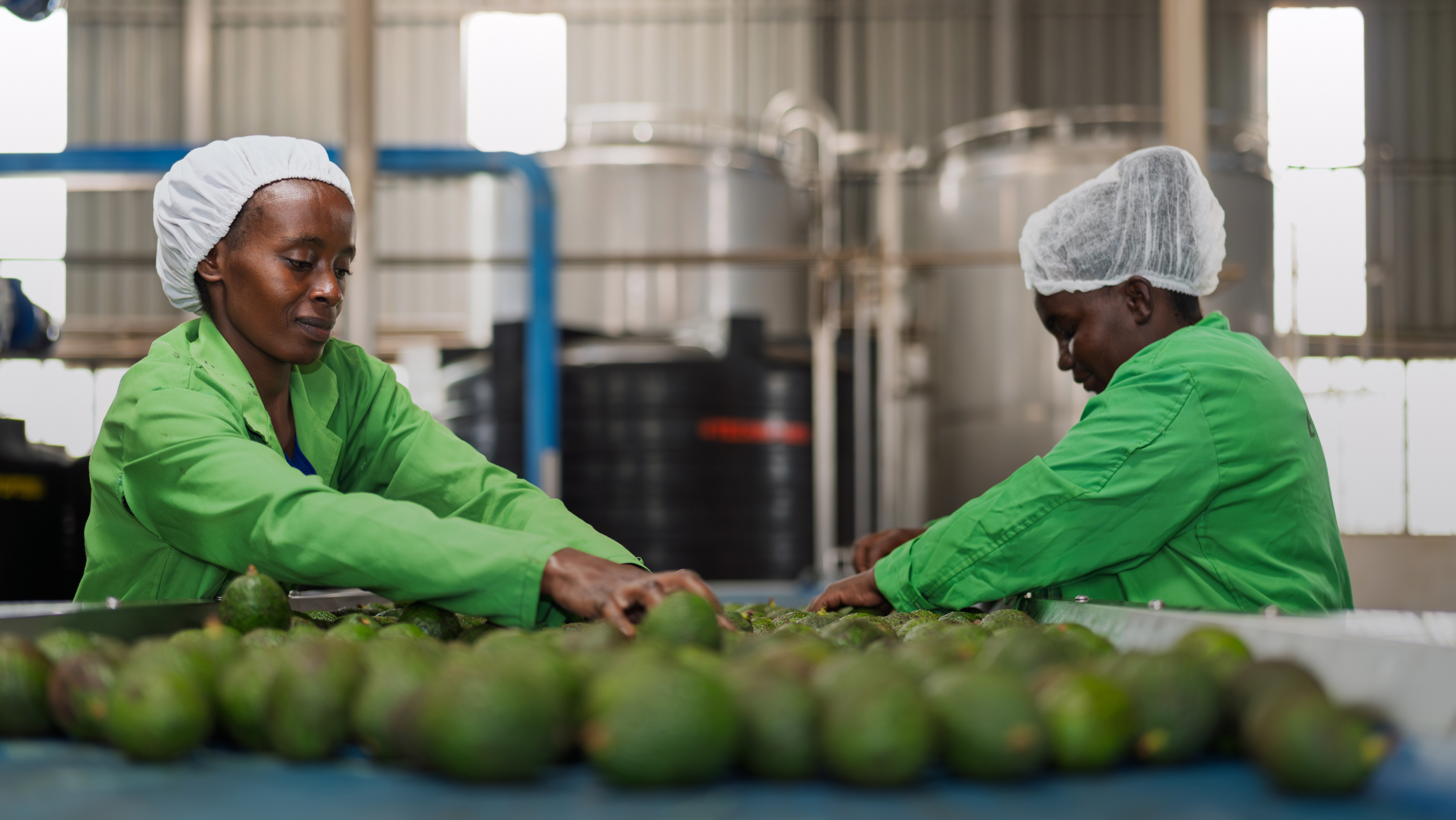
BioFarms operates within Kenya’s agricultural export sector, focusing on connecting smallholder farmers to international markets for high-quality organic avocados and fresh produce. In a region where many farmers face limited access to global buyers, inconsistent pricing, and fragmented supply chains, BioFarms provides an integrated platform that bridges these gaps.
Through its model, BioFarms aggregates produce from thousands of smallholder farmers, ensuring that quality standards meet international export requirements. At the same time, the company delivers hands-on training programs designed to improve farming techniques, increase yields, and promote sustainable cultivation practices.
Emily Scott
Supervisor, BURN Manufacturing
The Role of Talanton Impact
Talanton Impact invested in BioFarms to accelerate the expansion of its export logistics infrastructure and deepen its farmer support programs. This included strengthening cold-chain capabilities, improving aggregation systems, and scaling training initiatives focused on quality control and sustainable agriculture.
As export capacity increased, BioFarms was able to onboard more farmers into its network—unlocking access to higher-value global markets that were previously out of reach. This shift not only improved pricing power for farmers but also introduced more stable and predictable income streams.
Impact at a Glance
These figures reflect the broader systemic impact of Talanton Impact’s portfolio, where agricultural growth is interconnected with sustainability and infrastructure development.
Driving Farmer-Level Outcomes
The impact of BioFarms’ model is most visible at the farmer level. By combining market access with education, the company enables farmers to transition from subsistence or low-margin selling into structured, export-driven value chains.
A 2024 Decodis Pilot Study surveyed 109 farmers within the BioFarms network:
- 83% were at or near the poverty line prior to joining
- 86% reported increased income
- 80% reported higher crop yields
Beyond income, the benefits translated into tangible improvements in quality of life:
- 60% used additional income to pay school fees
- 35% reported overall improved living conditions
- 19% invested in building or upgrading their homes
Notably, farmer training emerged as the most valued component of BioFarms’ offering—highlighting the importance of knowledge transfer alongside market access.
Overcoming Structural Barriers in Agriculture
Smallholder farmers in Kenya often face systemic challenges: limited access to financing, lack of standardized training, and difficulty meeting export-grade quality requirements. Without intervention, these barriers prevent farmers from participating in higher-value supply chains.
BioFarms addresses these challenges directly by:
- Providing consistent, hands-on agricultural training
- Establishing reliable offtake agreements
- Ensuring transparent pricing mechanisms
- Supporting compliance with international standards
This integrated approach reduces uncertainty and builds long-term resilience within farming communities.
A Scalable Model for Sustainable Growth
As BioFarms continues to scale, its model demonstrates how targeted investment in logistics, education, and market access can unlock significant value for underserved communities. The combination of increased productivity, improved quality, and reliable demand creates a virtuous cycle—benefiting both farmers and global buyers.
With Talanton Impact’s support, BioFarms is well-positioned to expand its reach, deepen its impact, and continue transforming the agricultural landscape for smallholder farmers across Kenya.



Join the Movement
Invest with Talanton
Discover how faith-driven investing can create jobs, bring Hope, and transform lives across Sub-Saharan Africa.